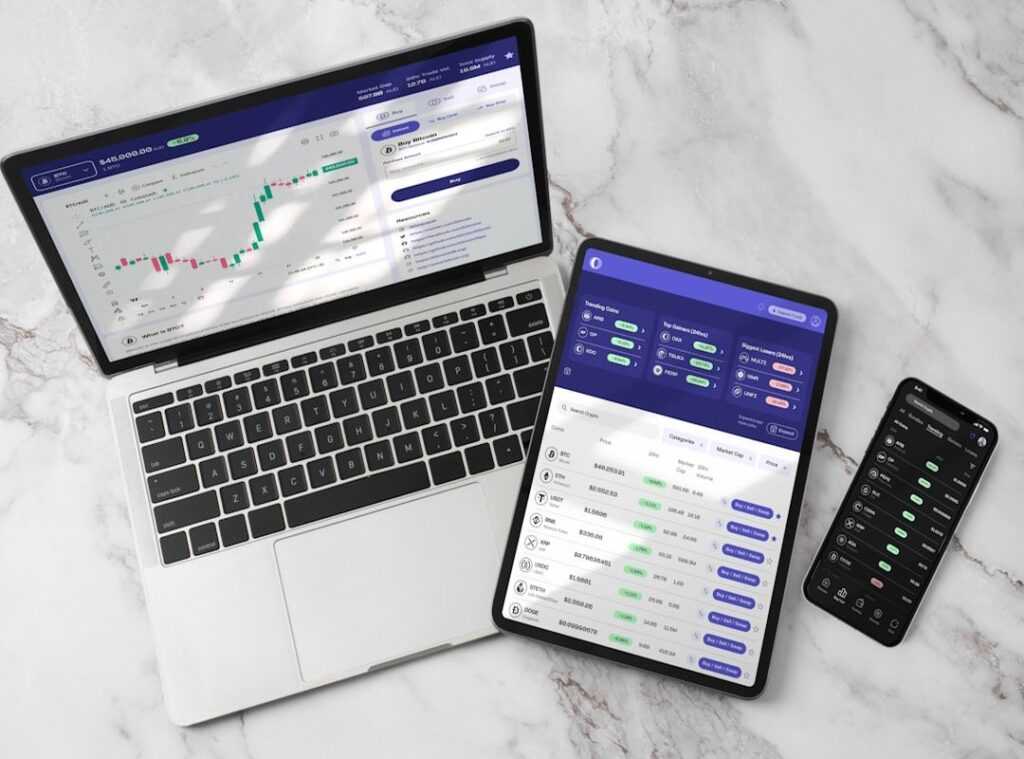

If you’re serious about building wealth and controlling risk, an annual check-in isn’t enough. This guide introduces a disciplined 90-day system designed to replace reactive financial habits with a structured, proactive quarterly financial review process. Instead of waiting for small inefficiencies to turn into major setbacks, you’ll learn how to evaluate performance, debt exposure, leverage, and cash flow every 90 days. Built on principles used by professional portfolio managers and CFOs, this framework helps you identify weaknesses early, recalibrate strategy, and make precise adjustments that strengthen long-term growth, stability, and overall financial resilience.
Phase 1: Foundational Data Aggregation and Reconciliation
By integrating insights from quarterly progress reviews, teams can refine their strategies and enhance their outcomes, a process that aligns with understanding The Science Behind Milestone Tracking and Motivation for even greater performance.
The strength of your financial assessment is only as good as the data behind it. Think of this as building the foundation of a house—if it’s uneven, everything above it shifts (and not in a good way).
Gather Key Documents
Start by collecting every primary financial record for the quarter:
- Profit and Loss (P&L) statement (a report showing revenue minus expenses)
- Balance sheet (a snapshot of assets, liabilities, and equity)
- Cash flow statement (tracks actual money moving in and out)
- Brokerage reports
- Credit and debt statements
Some argue that accounting software dashboards make this step unnecessary. They don’t. Dashboards summarize. Source documents verify. If you skip this, you risk analyzing assumptions instead of facts.
Perform Meticulous Reconciliation
Reconciliation means matching each recorded transaction with corresponding bank or credit statements. Every deposit, withdrawal, fee, or interest charge must align. If numbers don’t match, investigate immediately. Small discrepancies often signal bigger reporting issues (like duplicate expenses or missed income).
Categorize Cash Flows
Classify transactions into operating, investing, and financing activities. This clarifies whether capital is generated by core operations or external funding. For deeper metric alignment, see using performance benchmarks to evaluate wealth building progress.
This structured approach anchors your quarterly financial review process in verified, decision-ready data.
Phase 2: Deep-Dive Analysis of Core Financial Ratios
I still remember the first time I ran a full ratio analysis on a leveraged property deal. On paper, revenue looked strong. In reality, the numbers told a different story (and not the comforting kind).
This is where raw data becomes narrative.
Assess Liquidity and Solvency
Start with the Current Ratio (Current Assets / Current Liabilities). This measures liquidity—your ability to cover short-term obligations. A ratio above 1 means you can meet upcoming bills; below 1 signals potential cash strain (CFI, 2023).
Next, calculate the Debt-to-Equity Ratio, which compares total debt to shareholder equity. It reveals how much leverage you’re using to finance growth. Some argue higher leverage accelerates expansion—and they’re right. But excessive reliance on debt magnifies downside risk when markets tighten.
Analyze Profitability Metrics
Your Net Profit Margin shows how efficiently revenue becomes profit. Meanwhile, Return on Assets (ROA) evaluates how effectively assets generate earnings. When I reviewed one portfolio asset, revenue climbed 18%, yet ROA declined. The culprit? Underutilized equipment dragging returns.
Pro tip: Rising revenue with falling ROA is an early warning sign.
Evaluate Debt Serviceability
The Debt Service Coverage Ratio (DSCR) measures operating income divided by total debt payments. A DSCR below 1.2 often raises lender concerns (Federal Reserve credit guidance). Some investors accept tighter ratios for aggressive growth—but that margin leaves little room for shocks.
Track Key Performance Indicators (KPIs)
During each quarterly financial review process, compare industry-specific KPIs quarter-over-quarter:
- Customer Acquisition Cost
- Average Revenue Per User
- Operating Cash Flow Trends
Numbers don’t lie—but they do require interpretation. The story they tell determines whether leverage becomes a wealth engine or a liability.
Phase 3: Variance Analysis Against Forecasts and Benchmarks

An assessment without comparison is just guesswork. This stage of the quarterly financial review process forces clarity by measuring results against expectations.
First, create a budget vs. actuals report. Line up projected revenue, expenses, cash flow, and capital expenditures beside real numbers. Then focus on the largest gaps—not the small noise. For example, if marketing spend was 15% over budget but revenue only rose 2%, that discrepancy deserves attention (and probably a tough conversation).
Next, diagnose the why. Was a spike in equipment costs a one-time emergency replacement? Or is maintenance consistently underestimated? One-off events require containment. Systemic trends require structural change. This distinction matters more than most leaders realize.
Then, benchmark performance. Compare key ratios like gross margin, net profit margin, or debt-to-equity against industry averages (sources such as IBISWorld or public company filings can help). If your margin is 8% in a 15% industry, that’s a red flag. Conversely, outperforming peers signals competitive strength.
Finally, review progress on strategic goals:
- Revenue growth targets
- Debt reduction milestones
- Cash reserve thresholds
If the trajectory falls short, adjust now—because hope is not a financial strategy.
Phase 4: Formulating Strategic Adjustments and Action Items
Now we move from insight to execution. The quarterly financial review process only matters if it leads to decisions that actually change outcomes.
First, develop corrective actions. If marketing expenses ran 18% over budget, you have two clear paths: Option A: Reduce spend across all campaigns, preserving cash but potentially slowing growth. Option B: Cut only low-ROI channels and double down on top performers, maintaining momentum while trimming waste. The difference? Blanket cuts protect margins; targeted cuts protect strategy.
Next, optimize capital allocation. Should excess cash pay down 22% APR debt (a guaranteed return equal to the interest saved) or be reinvested into a division generating 30% returns? One offers certainty; the other offers upside—with risk attached. (Yes, this is the classic “bird in the hand” debate.)
Finally, update forecasts. Revise quarterly and annual projections based on your chosen path. A conservative model builds resilience; an aggressive one chases expansion. Neither is wrong—only misaligned assumptions are. Pro tip: Document why you chose your scenario so future reviews have context.
Transforming Quarterly Reviews into a Strategic Advantage
You set out to eliminate uncertainty and take control of your financial direction. By committing to a disciplined quarterly financial review process, you’ve replaced reactive decision-making with a structured, data-driven strategy. That shift directly tackles financial inertia—the silent force that stalls growth and erodes leverage over time.
Now it’s time to act. Put your next 90-day review on the calendar, evaluate performance against clear benchmarks, and adjust leverage with precision. The most resilient portfolios are built through consistent analysis and decisive action. Start your next review cycle now and turn every quarter into measurable strategic progress.

 Maryan Bradleyankie writes the kind of wealth portfolio planning content that people actually send to each other. Not because it's flashy or controversial, but because it's the sort of thing where you read it and immediately think of three people who need to see it. Maryan has a talent for identifying the questions that a lot of people have but haven't quite figured out how to articulate yet — and then answering them properly.
They covers a lot of ground: Wealth Portfolio Planning, Expert Advice, High-Risk Investment Mechanics, and plenty of adjacent territory that doesn't always get treated with the same seriousness. The consistency across all of it is a certain kind of respect for the reader. Maryan doesn't assume people are stupid, and they doesn't assume they know everything either. They writes for someone who is genuinely trying to figure something out — because that's usually who's actually reading. That assumption shapes everything from how they structures an explanation to how much background they includes before getting to the point.
Beyond the practical stuff, there's something in Maryan's writing that reflects a real investment in the subject — not performed enthusiasm, but the kind of sustained interest that produces insight over time. They has been paying attention to wealth portfolio planning long enough that they notices things a more casual observer would miss. That depth shows up in the work in ways that are hard to fake.
Maryan Bradleyankie writes the kind of wealth portfolio planning content that people actually send to each other. Not because it's flashy or controversial, but because it's the sort of thing where you read it and immediately think of three people who need to see it. Maryan has a talent for identifying the questions that a lot of people have but haven't quite figured out how to articulate yet — and then answering them properly.
They covers a lot of ground: Wealth Portfolio Planning, Expert Advice, High-Risk Investment Mechanics, and plenty of adjacent territory that doesn't always get treated with the same seriousness. The consistency across all of it is a certain kind of respect for the reader. Maryan doesn't assume people are stupid, and they doesn't assume they know everything either. They writes for someone who is genuinely trying to figure something out — because that's usually who's actually reading. That assumption shapes everything from how they structures an explanation to how much background they includes before getting to the point.
Beyond the practical stuff, there's something in Maryan's writing that reflects a real investment in the subject — not performed enthusiasm, but the kind of sustained interest that produces insight over time. They has been paying attention to wealth portfolio planning long enough that they notices things a more casual observer would miss. That depth shows up in the work in ways that are hard to fake.